Services
We offer a number of key services, please feel free to reach out to us if your exact needs are not listed. We are happy to tailor and provide support tailored to your needs.
Building Accessibility Audit
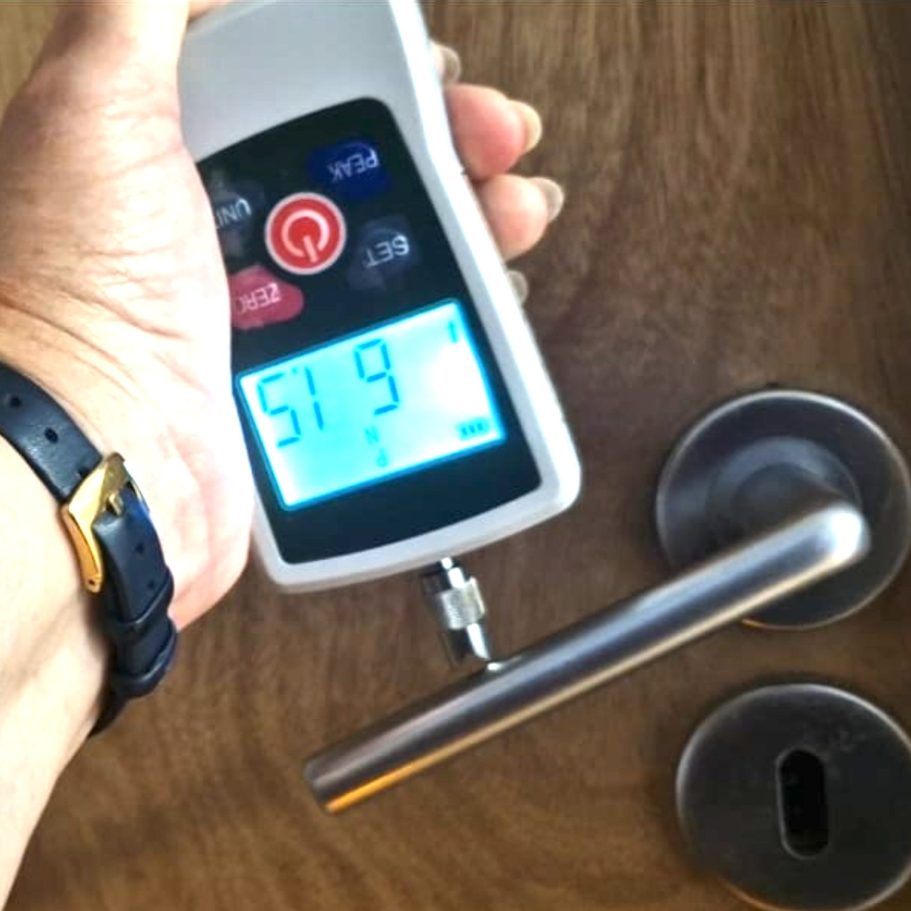
Our Accessibility Audit is tailored to meet your requirements, including any areas that come to our attention during the site visit. This audit covers both the internal and external areas of the buildings identified.
We look at the history of the site as this helps us formulate a clear understanding of your premises' full history and its current usage, and helps us know if the premises are listed. We review areas such as current footfall of the premises, and opportunities to assess the impact of any pending changes in the local area.
Brief framework overview, tailored as required:
- Approach to Premises: covering areas like car parking, paving, roads, etc
- Entry & Accessibility: signage, ease of access, etc
- Office facilities: toilets/washroom facilities, etc
- External areas: play/outside recreation areas, etc
- Safety Review: including fire & evacuation procedures, Personal Emergency Evacuation Plans (PEEPS)
Results will include a clear set of recommendations and a firm action list. The report will provide guidance on any high priority areas for immediate attention.
Building and workplace facilities change at various intervals, so we recommend running a building accessibility audit following any key access or facility changes.

Access Statements
Access Statements are a key requirement for most large development applications. They demonstrate how your proposal follows UK inclusive design and access standards, often still referred to as "disabled access", and support the application at every stage of planning and build.
You're likely to need an Access Statement if your project involves:
- Residential development
- Commercial premises
- A public venue
- An educational establishment
- A change of use class
- A requirement for a Heritage Statement
An Access Statement sets out how your development will be inclusive and how it addresses the needs of disabled people. It's a working document, useful not just for the planning application itself but as a monitoring tool as the design develops, and it can feed into several other requirements:
- The statutory Design and Access Statement required under the National Planning Policy Framework
- A handbook or guide for disabled people using the finished development
- Marketing material to support positive engagement with your proposal
Producing a strong Access Statement takes expertise across inclusive design, accessibility legislation, and design review. Get in touch to see how we can help with yours.

Plan Appraisals
A Plan Appraisal gives your project an early, expert review of accessibility and inclusive design before your drawings go anywhere near the planning authority. It's a practical way to catch issues while they're still cheap and easy to fix.
How this helps you
- Avoids unnecessary back-and-forth and red tape with the local planning authority
- Reviews your drawings and plans before submission, so problems are caught early
- Gives your design team clear, actionable advice they can act on straight away
- Raises the overall quality and inclusivity of the design
- Identifies and resolves key issues before they become costly delays
Getting a second pair of expert eyes on your plans before submission can save significant time and money further down the line, get in touch to find out how we can help with yours.

Training, Workshops & 121 Mentorship
Disability Training helps your organisation challenge discrimination and build genuine inclusion, leading to more creative, supportive and effective teams.
- Manage diversity proactively
- Show staff and customers you respect their beliefs, traditions and access needs
- Avoid costly misunderstandings and reputational damage
Equality and inclusion sit at the centre of everything we do. Every course is tailored to your organisation requirements. Course framework will enable attendess to:
- Define inclusion and why it matters
- Apply the Disability Discrimination Act 1995 and Equality Act 2010 to everyday decisions
- Recognise barriers disabled colleagues face in recruitment, travel and at work
- Identify practical, reasonable adjustments across roles
- Use confident, respectful disability language
- Build an action plan for your workplace
Suited to HR, diversity and operational managers, procurement, and anyone involved in recruitment. For front line staff, we also cover challenging prejudice and handling conflict day to day.
Get in touch to find the right course for your team or talk around workshop, 121 mentorship oppertunities.